

What Speaking at SHRM26 — Alongside Oprah — Taught Me About Leadership
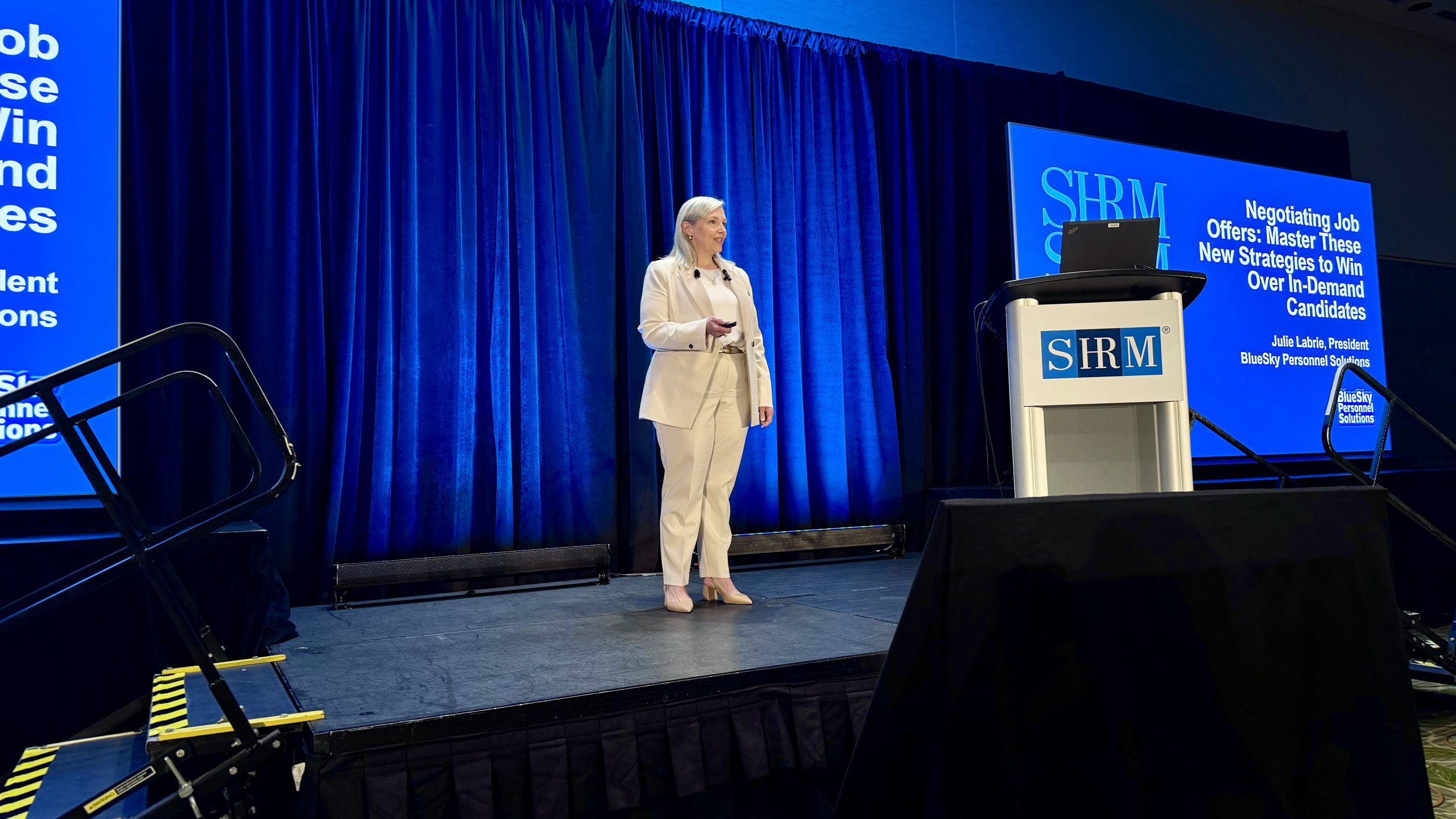
I’ve attended a lot of conferences. SHRM26 was different — nearly 20,000 HR professionals under one roof, Oprah Winfrey on the same stage, and a room buzzing with energy as she prepared to deliver the closing keynote. This year, I also had the privilege of being one of the speakers.
Through keynotes that challenged assumptions, data that demanded attention, and conversations with HR professionals who are navigating some of the most complex workforce dynamics in recent memory, it was a once-in-a-lifetime event I won’t forget. As someone who has spent more than 25 years helping organizations attract and retain top talent, I thought I understood what “investing in people” really meant. SHRM26 sharpened that understanding considerably.
Being selected to present at the conference during BlueSky Personnel Solutions’ 25th anniversary year was both a milestone and an honour. But what struck me most wasn’t the scale of the event or the star power on stage. It was the consistency of the message woven through several sessions: the organizations that will thrive in the years ahead are those that place people — not processes, technology, or quarterly targets — at the center of their strategy.
Three insights from the conference stand out above the rest.
1. HR is the culture of people — period
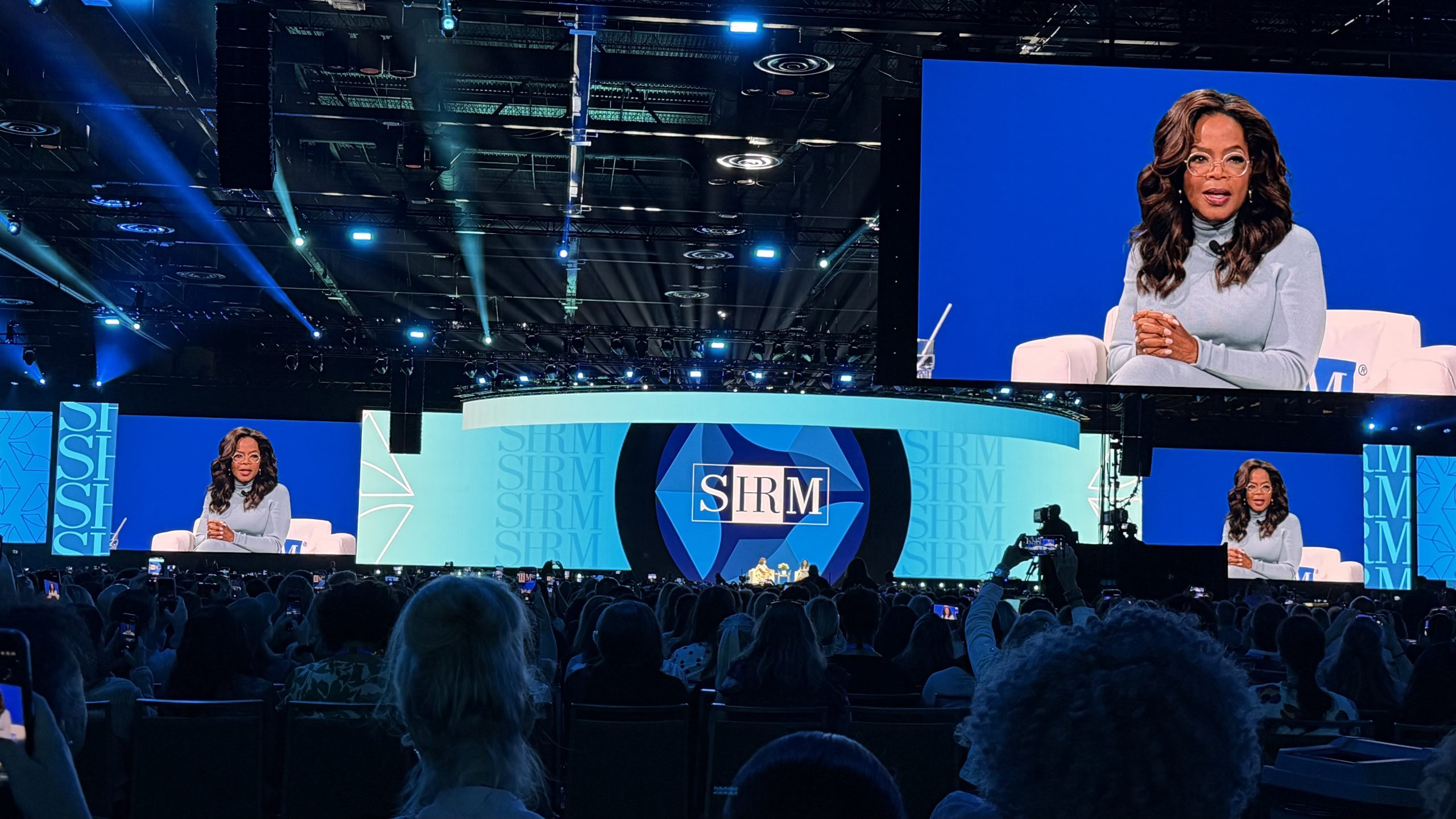
It took SHRM nine years to bring Oprah Winfrey to the stage. She made the wait worthwhile.
Her keynote was part leadership philosophy, part candid self-reflection. She told the audience that she considers herself a terrible manager. Rather than try to become something she isn’t, she made a deliberate choice to surround herself with people who excel where she doesn’t. The result? She gets to operate from her strengths, and her organization benefits from genuine expertise in areas where she has none.
It’s one of the most underrated leadership lessons in practice: self-awareness is a competitive advantage. Knowing where you create value — and trusting others to fill the gaps — is not a weakness. It’s how high-performing organizations are actually built.
She also told us that doing good work never goes unnoticed. In an era where visibility and personal branding often overshadow substance, that’s a reminder worth holding onto.
Most importantly, she reframed what HR actually is: “You determine what the human experience will be. You are in the business of human potential.” Too often, HR is associated with compliance, headcount, and administration. Those responsibilities matter — but they are the floor, not the ceiling. Every policy decision, every leadership conversation, every onboarding experience contributes to whether employees feel valued, seen, and motivated. That is HR’s real scope of influence.
She also cautioned against reactive decision-making: “When you don’t know what to do, do nothing.”
“You determine what the human experience will be. You are in the business of human potential.”
— Oprah Winfrey, SHRM26
2. People before spreadsheets — always
Simon Sinek’s session reinforced what many leaders know intellectually but often struggle to act on: organizations that genuinely invest in their people will consistently outperform those that don’t.
The word “genuinely” carries weight here. Many companies claim to be people-first. The ones that actually are make different decisions — in how they allocate time, how they define leadership effectiveness, and how they measure what matters.
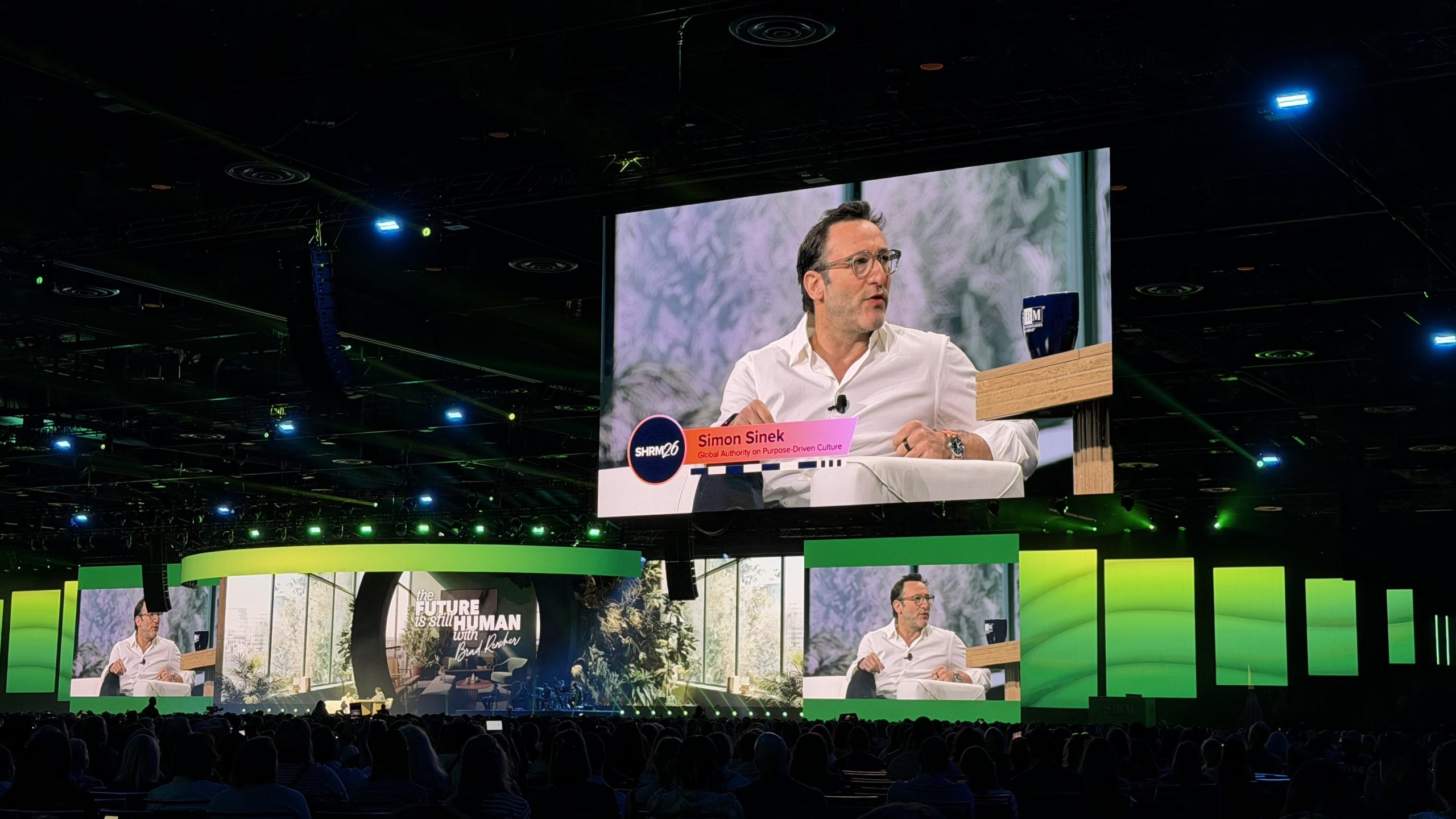
Sinek offered a simple definition of great mentorship: a great mentor is simply someone who has time for you. Not someone with a corner office or an impressive title. Someone who shows up, listens, coaches, and advocates.
Employees don’t remember performance dashboards. They remember whether their manager made time for them when it counted.
This matters right now. As organizations navigate economic uncertainty, AI disruption, and rapidly shifting workforce expectations, the temptation is to manage through metrics. Metrics have value — but they don’t build trust, and they don’t create the kind of culture that makes people want to stay. Leadership remains a fundamentally human responsibility, regardless of what tools surround it.
3. Turnover intent is a business problem, not just an HR problem
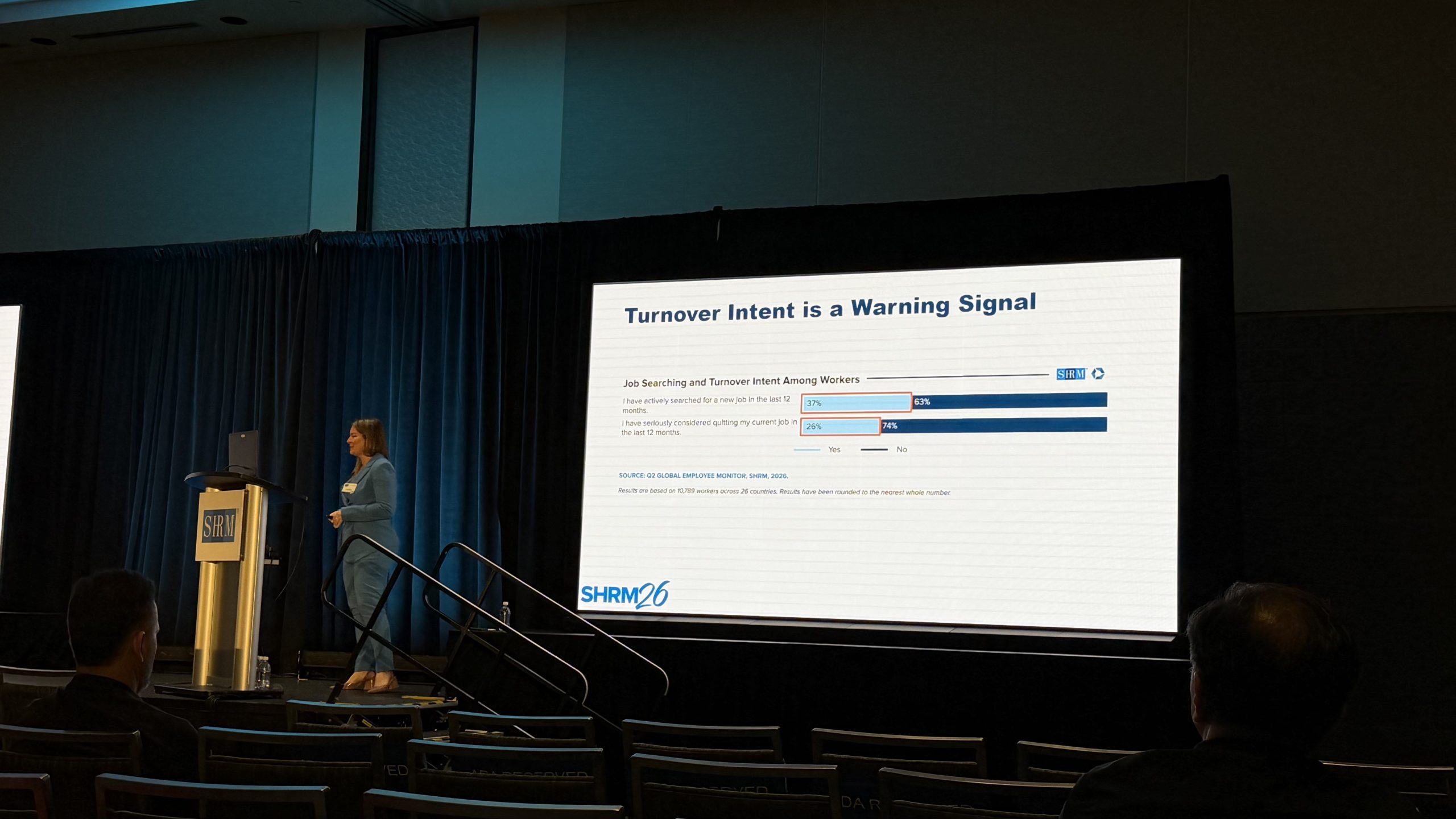
The most sobering moment of the conference came from newly released SHRM workforce data. According to the survey, 63% of employees have actively searched for a new job in the past 12 months, and 74% have seriously considered pursuing a new opportunity.
When nearly three-quarters of your workforce has an eye on the door, turnover is no longer a talent issue — it’s a strategic one.
Employees today are evaluating far more than compensation. They’re assessing leadership quality, career growth, workplace flexibility, purpose, recognition, and whether they feel genuinely valued in their day-to-day experience. The question leaders should be asking isn’t “Why are people leaving?” — it’s “What are we doing every day that makes exceptional people want to stay?”
As I mentioned during my presentation, 85% of workers now consider remote options more important than salary when evaluating a job. That stat alone should reshape how organizations think about flexibility.
Retention is not achieved through an annual engagement survey or a quarterly recognition email. It requires intentional, ongoing effort to design an environment where employees feel supported, challenged, and connected to work that matters.
At BlueSky Personnel Solutions, we witness the real reasons people leave — not the polished exit-interview version, but the honest account that candidates share with a trusted third party. The patterns are consistent across industries: people leave managers, not companies. They leave when their growth stalls. They leave when they feel invisible. They leave because you ask them to return to the office after they were allowed to work from home for several years. Understanding those patterns is what allows us to help our clients build not just stronger teams, but more durable ones.
The common thread
Oprah reminded us that we are in the business of human potential. Simon Sinek reminded us that people must come before spreadsheets. The SHRM workforce data reminded us that employees have choices — and many are actively exploring them.
The future of work will be shaped by organizations that treat people as the strategy, not a line item within it. After 25 years in recruitment, I believe that more strongly than ever. Thank you to SHRM for the opportunity to speak, learn, and be reminded of why this work matters.
Every organization’s hiring challenges are different, but one thing remains the same: great people drive great businesses. At BlueSky Personnel Solutions, we believe exceptional organizations are built by exceptional people. For more than 25 years, we’ve helped employers across Canada attract outstanding bilingual (French/English) talent while providing strategic recruitment insights that support long-term success. If you’re looking to strengthen your team or discuss your hiring goals, we’d love to start the conversation and explore how we can help. Contact us at (416) 236-3303 or email [email protected].


