

If Employees Won’t Take Vacation, Everyone Loses
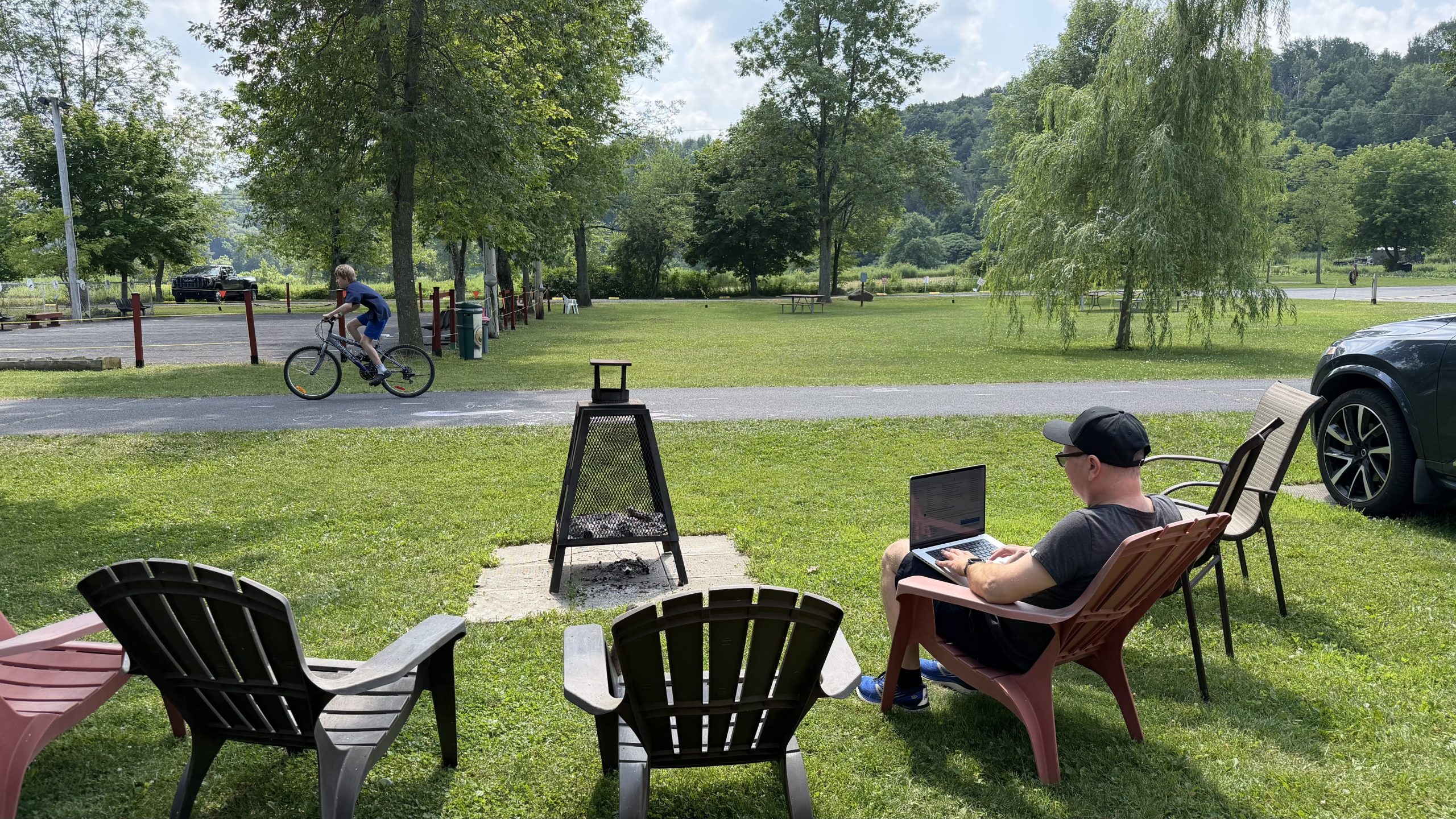
A recent HR Executive report found something that should give every leader pause: employees are increasingly taking their vacation one day at a time, rather than stepping away for a real, uninterrupted break. A day here, a day there — but rarely the full week that lets someone truly disconnect.
At first glance, this might look harmless. Some PTO usage is better than none, right?
But if we look closer, this trend tells us something important about the state of today’s workplace — and it’s worth asking a different question than the one most leaders default to.
Think about what a “day at a time” vacation actually looks like in practice. It’s a long weekend here, a Friday off there, maybe a day squeezed in around a stat holiday. It’s rarely enough time to fully unwind, and it’s almost never enough time to forget about work entirely. Compare that to a real week away — the kind where, by day four or five, your brain finally stops running through the to-do list and starts actually resting. That kind of recovery doesn’t happen in 24-hour increments. It happens when people give themselves permission to be unreachable for long enough that the noise fades.
So when we see employees defaulting to fragmented time off instead of real vacations, it’s not just a scheduling preference. It’s a signal.

Spotted at Epcot during SHRM26: Working through time off.
I saw this play out in person this past June, while attending SHRM26 in Orlando. When the conference ended, I spent a day at Epcot, and I walked past an area where a woman was sitting on the floor, laptop balanced on her lap, working. Bags at her side, tucked into a corner away from the crowds — clearly on a break, but not really on a break at all.

Julie Labrie: Admitting to the ‘always-on’ habit.
And I’ll admit, I’m not exempt from this either. I work all the time — even at Disney, even on vacation. Twenty-five years of building a business has a way of blurring the line between “on” and “off,” and I don’t think I’m unique in that. But seeing it happen in such an ordinary, easy-to-miss moment — someone tucked into a hallway corner, still working while everyone else moved past toward the next ride — was a good reminder of exactly the pattern this article is about.
This isn’t the first time we’ve flagged this issue. Last year, we wrote about Breaking the Vacation Guilt Cycle, and unfortunately, the pattern hasn’t improved — it’s just taken a new shape. Instead of skipping vacation altogether, employees are now splitting it into pieces small enough to feel “safe,” which suggests the underlying guilt and pressure never actually went away.
Why This Is Happening
A few things are driving this shift, and none of them are surprising once you name them. Economic uncertainty is making people hold onto paid time off like a safety net rather than spending it on travel or leisure, and rising travel costs only reinforce that instinct, making a full week away feel like a luxury rather than a norm. Heavy workloads mean there’s rarely a “quiet week” to disappear during, and the fear of returning to hundreds of emails turns a vacation into something people have to recover from, not recover during — the busier someone is before they leave, the more intimidating the return becomes, and the more tempting it is to just take odd days instead of committing to a real break. Many employees also feel indispensable, convinced no one else can cover their work, which keeps them tethered even when they’re technically “off.” And culture quietly ties all of it together: if a workplace celebrates the person who answered emails from the beach, or treats “always on” as a mark of dedication, employees absorb that message fast, whether or not it’s ever said out loud.
None of this is something employees can fix on their own. It’s something employers need to actively design against — through cross-training so no one feels irreplaceable, through leaders who visibly disconnect themselves, and through performance conversations that reward outcomes rather than how quickly someone replies to an email. Put together, these pressures don’t just shape how people take time off. They shape whether people ever really feel permission to stop.
Why Employers Should Be Paying Attention
The easy reaction here is: “At least they’re taking some PTO.”
The better question is: “Why don’t employees feel they can truly disconnect?”
That reframe matters, because it shifts the conversation from a compliance checkbox — did they use their days? — to a culture question: what have we built that makes stepping away feel risky? Are we obsessed with productivity?
Obsessing with productivity may actually be undermining it. Employees who never fully recharge are more likely to experience burnout, reduced creativity, lower engagement, and — eventually — they start looking elsewhere.
If your organization is still equating presence with performance, fragmented vacations are a symptom of that same underlying problem. You can’t measure outcomes with one hand while rewarding constant availability with the other — the two send contradictory signals, and employees notice.
At BlueSky Personnel Solutions, we’ve long believed that measuring success by hours worked instead of results is outdated. True productivity comes from engaged employees who have the energy to perform at their best — not from people who never feel comfortable stepping away.
We saw this firsthand when we shifted to a four-day workweek focused on outcomes rather than hours logged. The initial worry, as with most changes like this, was that less time in the office would mean less output. What we found instead was the opposite: when people trust that they’ll be judged on results, they use their time more deliberately, both at work and away from it. The same principle applies to vacation. An employee who knows they’ll be evaluated on what they deliver, not on how visibly “on” they appear, is far more likely to take the real break they need — and to come back sharper for having taken it.
This is worth sitting with, because the cost of chronic under-recovery rarely shows up as a single dramatic event. It shows up gradually: a slightly shorter fuse in meetings, ideas that feel a little more recycled than usual, engagement scores that quietly slide, and eventually, a resignation letter that seems to come out of nowhere but was actually months in the making.
What Employers Can Do
If your team is quietly taking vacation in fragments instead of real breaks, that’s actionable information. A few places to start:
- Encourage employees to actually use their vacation — not just accrue it, but take it in blocks long enough to disconnect.
- Leaders should model healthy behaviour. If managers answer emails on their own vacations, no policy will override that example. I’ll be the first to admit I’m guilty of this myself — but my team also knows I don’t expect them to reply to anything while they’re away, and that distinction matters.
- Cross-train employees so no one feels indispensable — and no one’s absence creates a crisis.
- Measure outcomes rather than presenteeism. Results, not hours logged, should define performance.
- Create a culture where disconnecting isn’t viewed as a lack of commitment, but as part of how sustainable performance is built.
This is the same philosophy we’ve championed elsewhere, and it’s central to thinking about where future leaders will come from — the workplaces we build today are the ones the next generation of talent will judge us by.
Great workplaces aren’t built by employees who never take vacation — they’re built by organizations that understand people perform at their best when they have the opportunity to recharge.
At BlueSky Personnel Solutions, we’ve spent more than 25 years helping organizations build high-performing bilingual (French/English) teams. If you’re looking to attract and retain exceptional talent, we’d love to discuss your hiring goals and how we can help.


